
Zoning, Road Access, and the House You Can't Rebuild
A standing house is not proof you may rebuild it. Urbanization-control areas, the 2-metre road-frontage rule, existing-nonconforming buildings and unregistered extensions — the planning checks that decide a rural purchase.
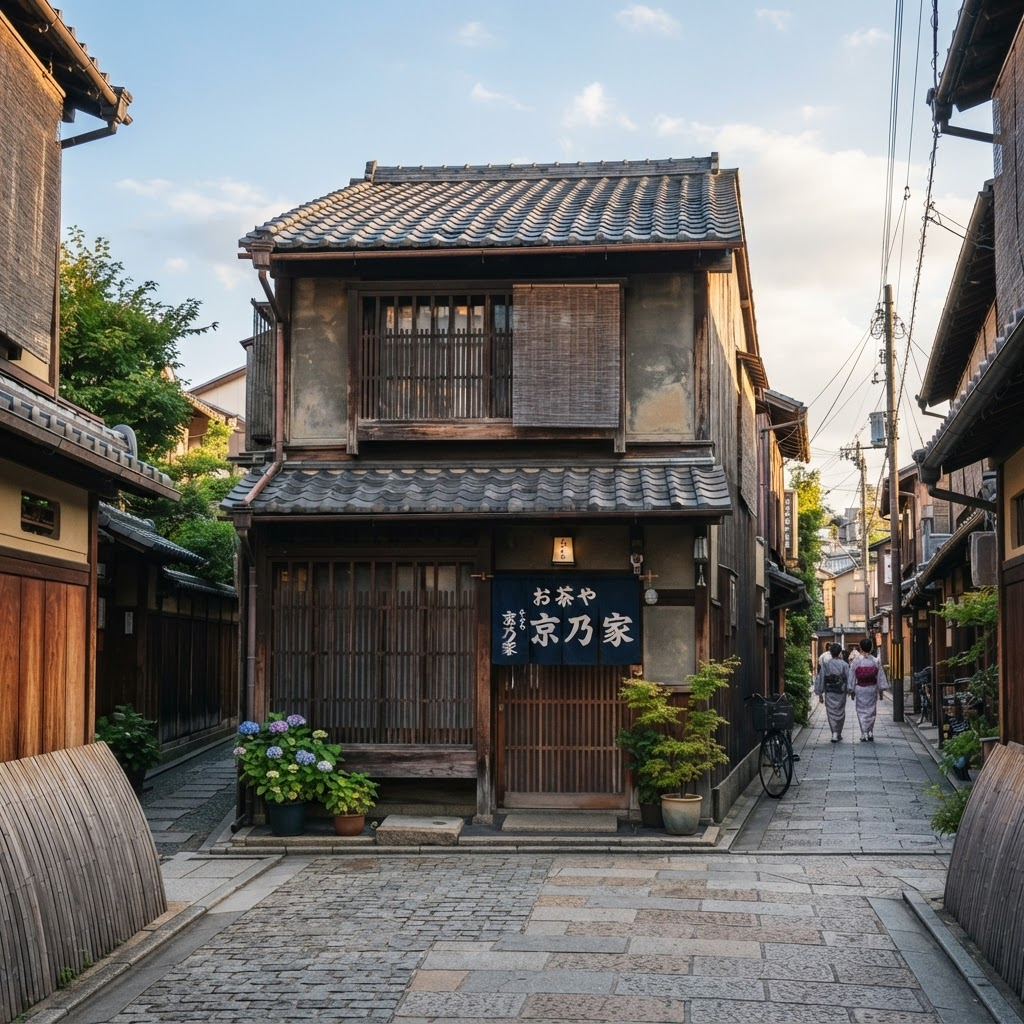
The most dangerous assumption in rural Japanese real estate is “a house exists, therefore rebuilding is possible.” Zoning, road access, coverage ratios, floor-area ratios, fire rules and existing-nonconformity all still apply — and in some designations, a perfectly legal existing residence cannot be replaced, enlarged, or converted to a guesthouse.
The questions that decide buildability
| Question | What to obtain | Red flag |
|---|---|---|
| Is the site inside a city-planning area (都市計画区域)? | Zoning map or written planning-department response | Agent provides only a portal screenshot |
| What is the use zone (用途地域)? | Permitted-use table and local overlays | Lodging or a farm shop is not permitted in the zone |
| Is it an urbanization-control area (市街化調整区域)? | Planning designation and original building permission | Legal residence, but new development, change of use or rebuilding restricted |
| Is the building legal and registered? | 建築確認済証, 検査済証, building-department ledger certificate | Building area differs from the registry; undocumented extension; barn converted to living space |
| Does the site meet road-frontage rules? | Road register (道路台帳) and measured frontage | Access is a private track or farm path not recognized as a Building Standards Act road |
The 2-metre rule
In relevant planning areas, the ordinary rule is at least 2 metres of frontage on a road normally at least 4 metres wide, subject to exceptions and setback rules. Many charming rural houses sit on narrow historic lanes that fail this test — making them 再建築不可 (non-rebuildable). The house can be repaired and lived in, but if it burns or you want to substantially rebuild, you may be stuck. That risk must be priced.
Existing-nonconforming buildings
An older house may be 既存不適格 — legal when built, no longer meeting current code. That's tolerated until your renovation crosses a threshold: major repair, extension, or change of use can trigger requirements the current building cannot satisfy. Define precisely which planned work counts as repair versus extension versus change of use, in writing, with an architect, before committing to a purchase price.
Planning and buildability screening checklist
Sources & references
Keep reading
Can Foreigners Buy Property in Japan? Ownership, Structures, and What It Doesn't Get You
Foreign individuals and companies can generally own Japanese land and buildings — but ownership gives you no visa, no farmland rights, and no lodging licence. Here's how to structure a rural purchase correctly.
The Farmland Trap: Why That Cheap Akiya with Rice Paddies Isn't Automatically Yours
Rice paddies, fields and forest attached to a rural Japanese house are governed by the Farmland Act and forestry rules. Learn how Article 3 approval, blue land, irrigation districts and forest notifications really work.
Water, Roads, and Snow: The Rural Infrastructure and Hazard Screen
A structurally sound house can still be unusable: undocumented spring-water rights, undersized septic tanks, winter road closures, flood-prone access bridges. How to screen utilities and natural hazards before buying.